Why canning cash kills tipping
Aka how the push to digital-only payments makes the rich richer
4 min readDuring the winter months, I add a little side job to my freelance portfolio: taking patients to hospital appointments on behalf of the Austrian national health system.
Like some of my pensioner colleagues, I see it as community service, a chance to hear stories and remind myself of how lucky I am to be in good health. There’s little choice in that regard, because the hourly pay is so paltry it flirts with illegality.
But for some of my other colleagues – those who come across the border from Hungary to earn some welcome Euros – it is the actual day job. Every cent really does matter.
None of us, however, says no to the tips that usually come our way. It could be five Euros, ten Euros, occasionally even twenty. I’ve had shifts where the latter could double my earnings.
To be clear, these taxi journeys are a free ride for the patients. They are funded by state health insurance and the only ‘payment’ needed is a slip stamped by your doctor. The drivers’ official salaries are also ultimately paid (with some delay) by the health service, so there’s no transaction required in the vehicle at all. Just another seamless transfer in some cloud somewhere.
But people are usually generous, battles with cancer notwithstanding. Many are also elderly, alone and grateful for the chance to bend a sympathetic ear. Which goes some way to explaining the banknotes that get passed over to the front seat at the end of most rides.
Luckily for us, nostalgic and old-school Austria is at the back of the line in terms of the march to eradicate cash. Also, I’m working in the countryside. The people we drive have actual money in their wallets. But what if we were doing this job in Scandinavia, the Netherlands, the United Kingdom?
I’m pretty sure I know the anser: we would all see our earnings drop by ten to twenty percent per month. Because in those parts of the world, cash is barely a thing anymore. Riders would shrug and apologise, “Sorry, I don’t have any change on me!”
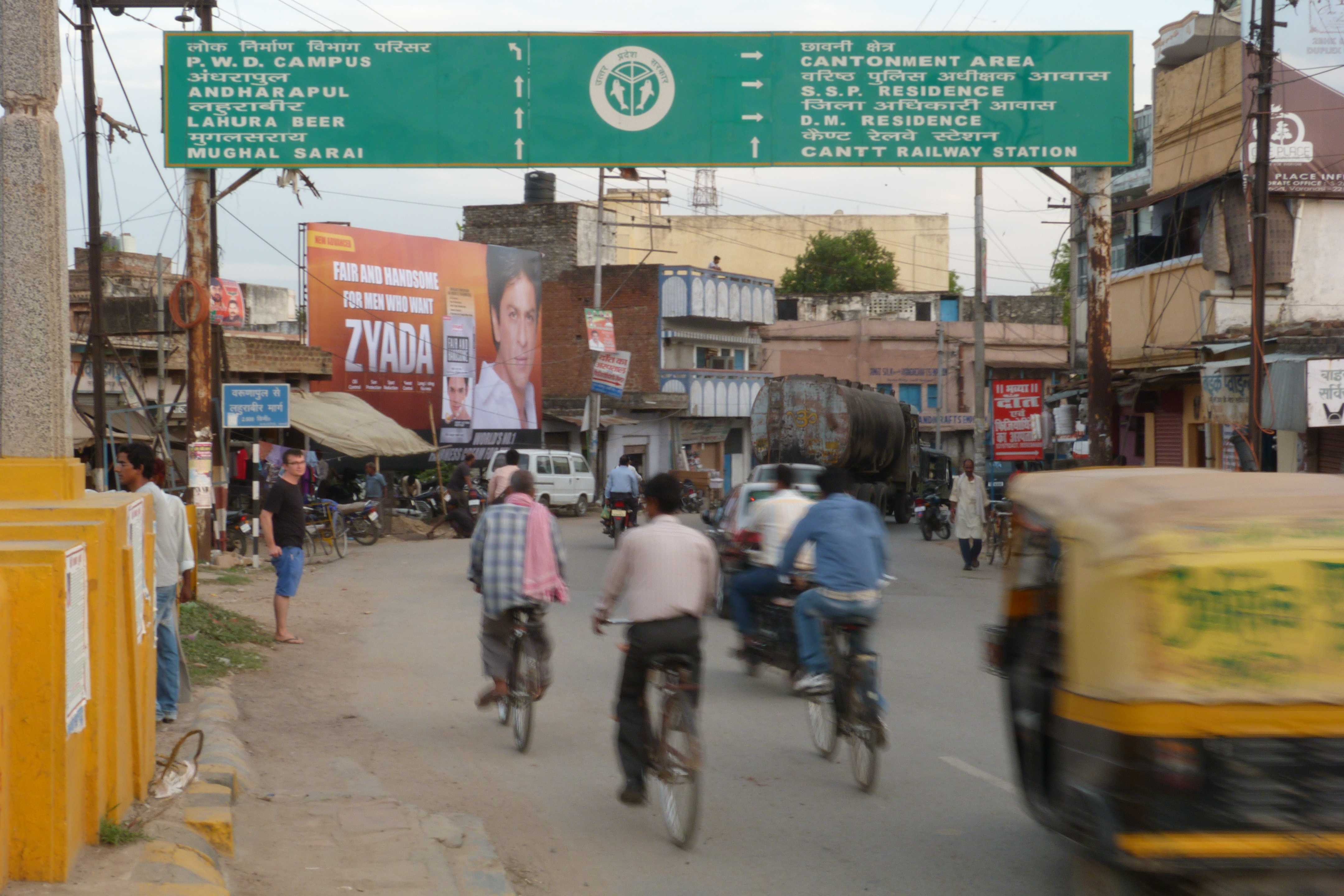
Ordinary people have merrily accepted this state of affairs because convenience and ease makes humans lose their minds. It takes a special kind of social conscience to consider the ramifications of scrapping cash for people who need tips to pay the rent.
Taxi drivers are the tip of the iceberg. When you don’t carry cash in your wallet – or are no longer allowed to by your ‘innovative’ government – plenty more on low incomes will be punished. Buskers. Waitresses. Tour guides. Parking attendants. And yes, even beggars.
If you live in a developed country, it will be easier to look away from this unpleasant social fact. If you travelled to South Africa, my homeland, you would need a little more steel. There, parking attendants are often self-appointed, desperate individuals. When you have no coins in your pocket, will tell you with their eyes what they think of your card-only, convenience-first lifestyle.
Does that mean South Africans have begun to see the bigger picture and make a point of supporting cash? What do you reckon? People will get used to anything quickly. Many of my countryfolk are now quite at ease with shrugging and flashing the “got no cash” grimace. Tough luck and all that.
Except living in a world without cash is not tough luck. It’s us privileged folk, who happen to have cards and bank accounts and phone payment apps, just thinking about what’s easiest for us. It’s us letting the digital payments tide wash over us without protest. It’s us not conspicuously walking out of establishments that don’t take cash, because there is a social point to be made. It’s about not subscribing to the Offline Rights community, where you can make such protests as part of a wider campaign.
People will point to certain elite Cape Town ‘car guards’ who take smartphone payments, or the option of simply adding a tip to the bill when in a restaurant. But believe it or not, there are those poor enough not even to be able to own a phone. There are people with no fixed abode – or who perhaps got stuck in a maddening verification loop with a chatbot, a pleasure your author has enjoyed – so they cannot be a part of the banking system. As for the tip portion of the bill, how can you be certain this is passed on to those for whom it is intended? Without tax deductions?
Also, bills are in many cases paid before services rendered, not after. I have a second job where tips play a big role: leading nature tours in the Neusiedler See-Seewinkel National Park. Here, groups and individuals pay for their tours at the front desk before we get going – frequently by card, of course. It would take a uniquely generous soul to add a tip for a tour guide they have yet to meet. And a very rare one to go back to the desk afterwards to add a little Trinkgeld via the card machine. No, I don’t think I would go to the trouble either.
Luckily, for now, Austria still has cash as a viable payment method. So people can and do squeeze a little something into your hand at the end of an excursion. Which is, by the way, a more personal and meaningful transaction that gives both parties a nice feeling that a card machine at the front desk cannot. And that feeling is a large part of the reason tipping happens at all, right?
So, in solidarity with everyone across the globe who depends on tips to make their income even borderline acceptable, we need to stop cash from disappearing down the digital drain.
Become part of the active resistance by joining the mailing list at Offline Rights.